
Sustainability statement
Tallinna Vesi carried out an initial assessment of key sustainability issues in 2023, which was updated in 2024 and reviewed in 2025. The assessment was based on the principle of double materiality, i.e. both the impact materiality and the financial materiality of sustainability topics were considered. The assessment was carried out across the value chain, taking into account all business lines of the group.
Climate change
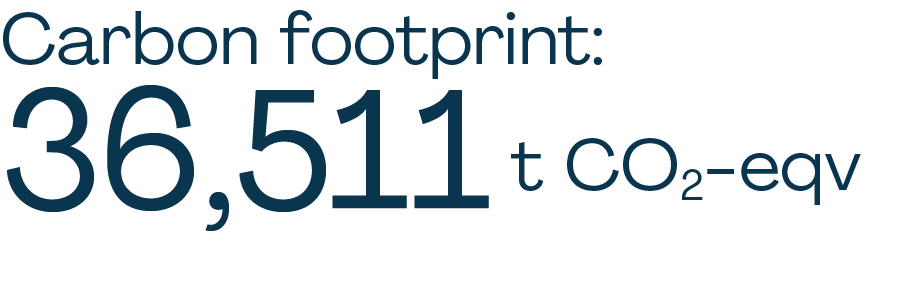
The operations of Tallinna Vesi, in particular those using biological processes, emit greenhouse gases that have a negative impact on climate change mitigation. At the same time, the company has a potential positive impact on climate change mitigation through the reduction of energy use in the value chain, by following the associated Climate Impact Reduction Plan and thereby meeting the technical screening criteria established in the Taxonomy Regulation.
In 2024, we carried out a more detailed climate risk assessment involving several departments. The physical climate risks affecting the company, the impact of these risks and mitigation measures are outlined in our Climate Impact Reduction Plan. We assess climate risks every three years.
Pollution
In preventing and reducing pollution, we have been guided by the limits set in the environmental permits we hold. This means that we have made targeted efforts to prevent and reduce pollution within the scope of these environmental permits. We consider it of the utmost importance that all our emissions to air and water are in line with the conditions set out in the environmental permits issued to us.
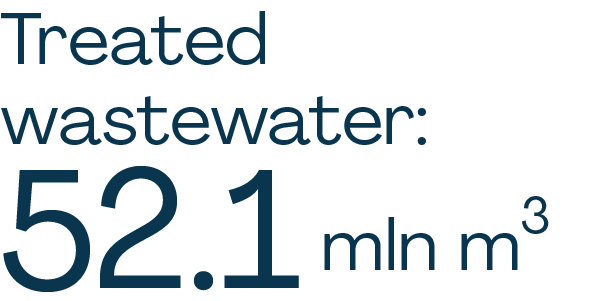
Water and marine resources
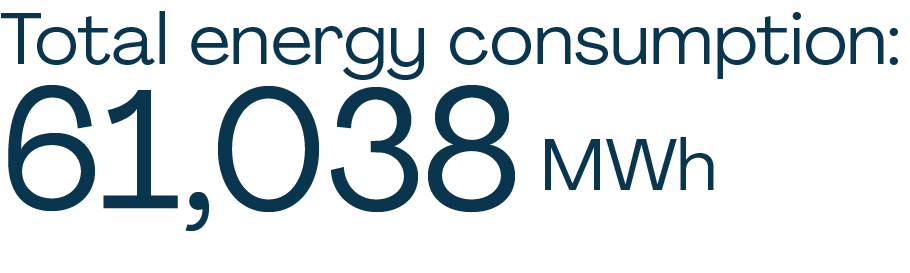
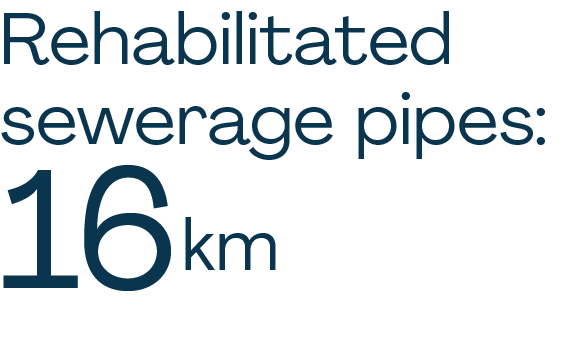
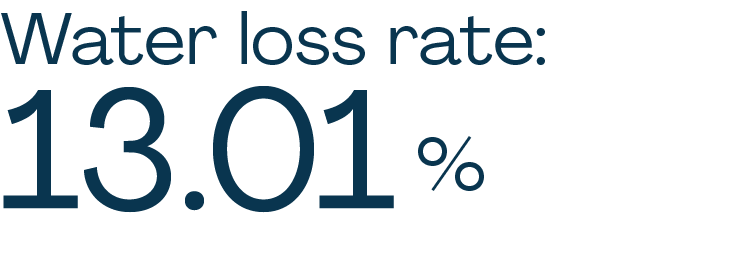
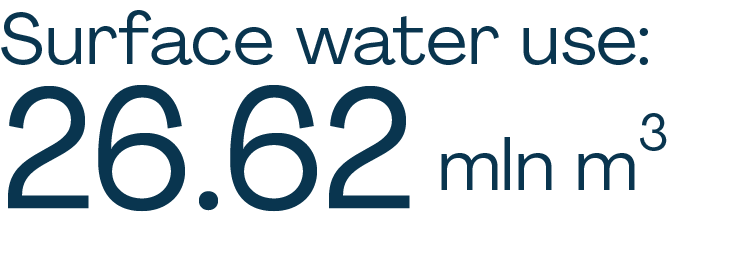
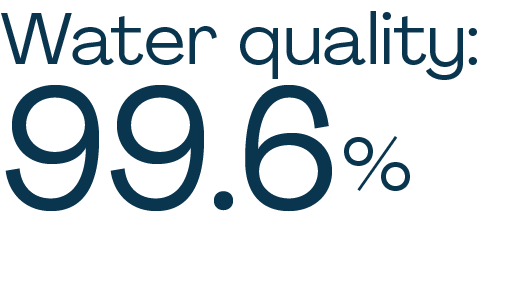
Approximately 90% of our consumers in Tallinn and the town of Maardu get their drinking water from surface water. Although Lake Ülemiste is the main source of drinking water for the people of Tallinn, the natural catchment area of the lake itself is small. In order to increase the volume of water and meet the needs of the city of Tallinn, a water catchment system has been established, consisting of hydraulic units built on rivers and the reservoirs and canals connecting them.

Own workforce
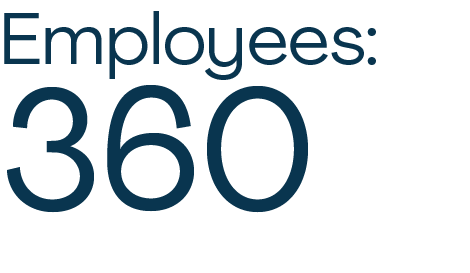
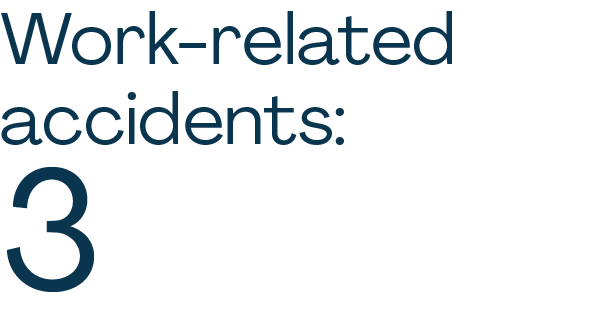
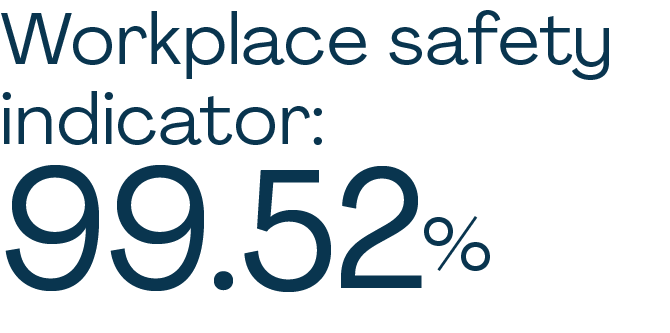
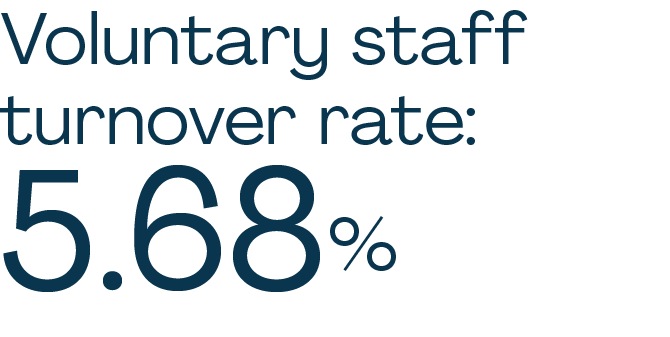
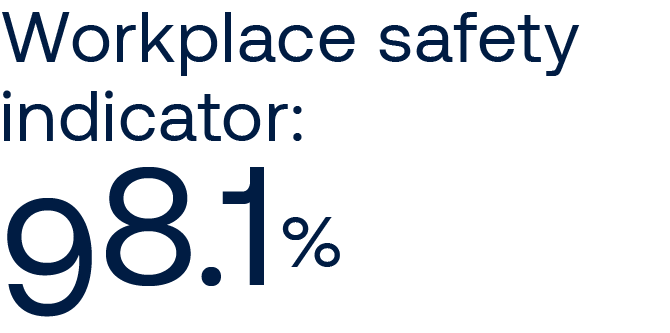
Maintaining the overall wellbeing of our employees is very important to us, which is why we promote a safe and fair working environment and actively support succession planning. To promote employee satisfaction, we carry out employee surveys to find out what is going well in the company and what areas need more attention. Feedback from employees helps us make decisions, and helps employees understand the reasons behind decisions and the need for change.
Workers in the value chain
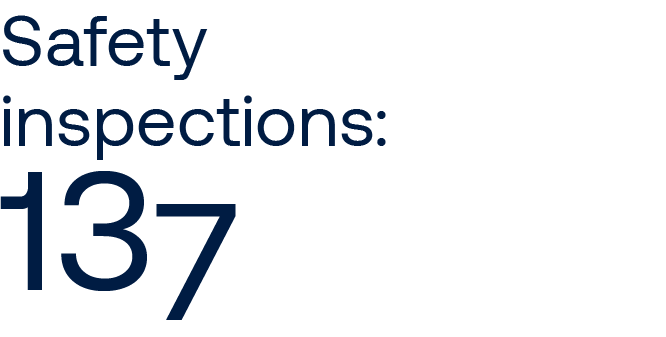
We work with our partners to ensure compliance with health and safety requirements, as required by law and established by the company, at all construction and repair sites. We conduct regular internal safety inspections at all sites to ensure compliance and the safety of our partners' employees.
Affected communities
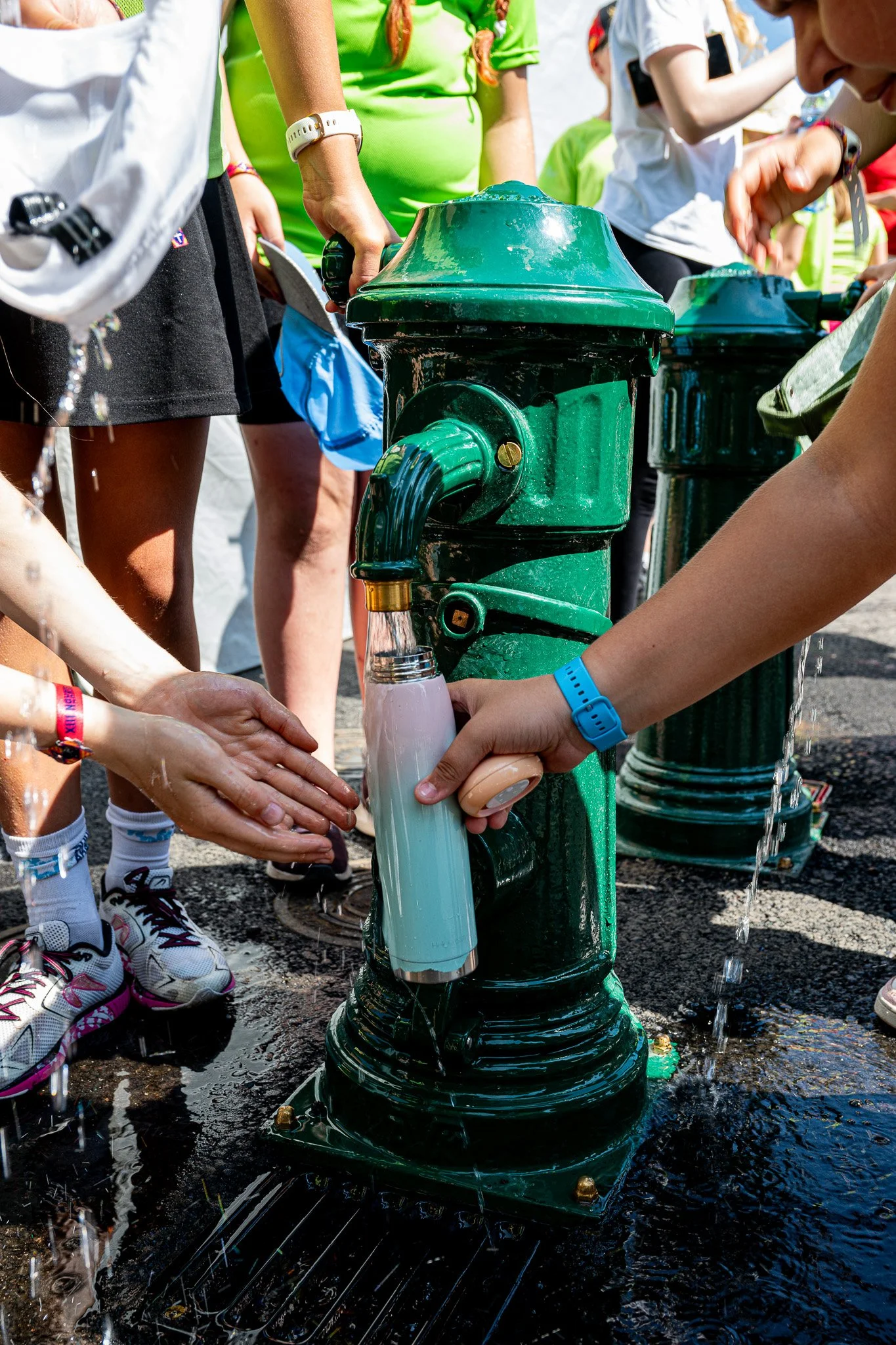
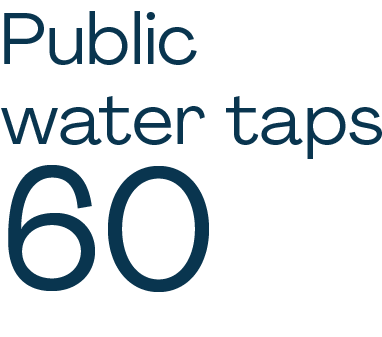
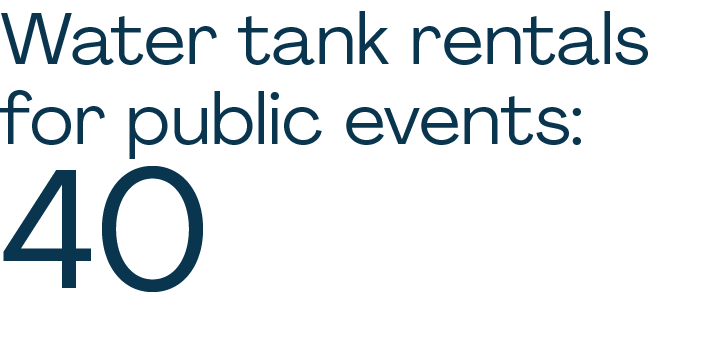
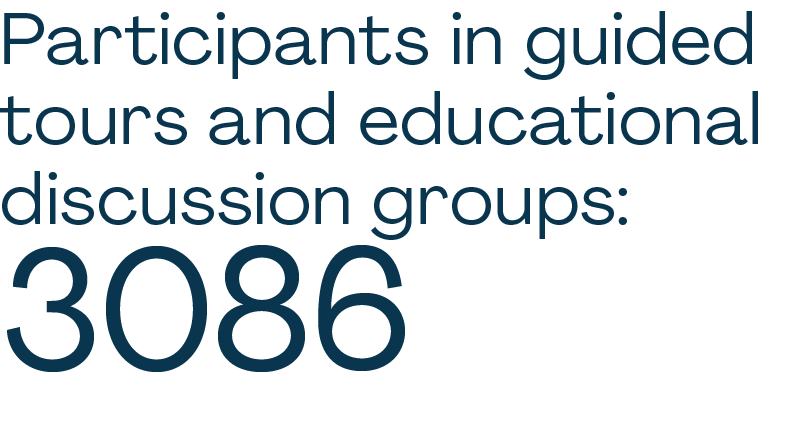
We support our community and actively participate in community activities that are directly or indirectly related to our business. We believe it is important to raise environmental awareness and emphasize the role of tap water as a clean, environmentally sustainable and affordable source of drinking water.
Consumers and end-users
We provide water and wastewater services to approximately 25,000 contractual customers and about 500,000 end-consumers in Tallinn and its surroundings. Hence, we are responsible for ensuring that more than a third of Estonia’s population has access to reliable, high-quality water and wastewater services.
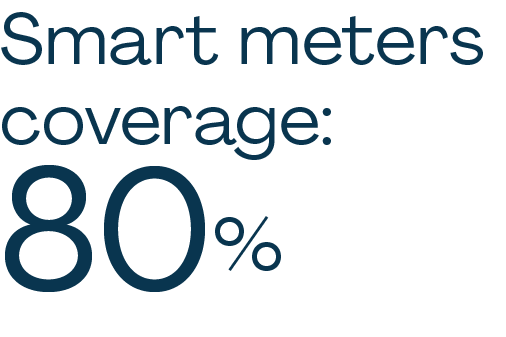
We enable sustainable urban development by delivering high-quality water services, pioneering modern stormwater solutions and developing green urban space. We connect our customers to the vital water infrastructure and deliver excellent customer experiences using smart solutions and digital service channels.
We keep prices affordable for our customers by continuously improving our efficiency through modern technologies, digitalization and automation.
Business conduct
The company's internal rules of business ethics are summarised in the Tallinna Vesi Group's Code of Conduct, approved by the Management Board on 11/12/ 2024, which can be found on the website under the Business ethics section. These are guidelines, undertaken voluntarily, some of which are also covered by national legislation, the UN Guiding Principles on Business and Human Rights, the UN Convention Against Corruption and the OECD Due Diligence Guidance for Responsible Business Conduct.